Smileyscript: The Handwritten Typeface That Feels Like a Friendly Note
More Than Just Letters: Understanding the Smileyscript Personality
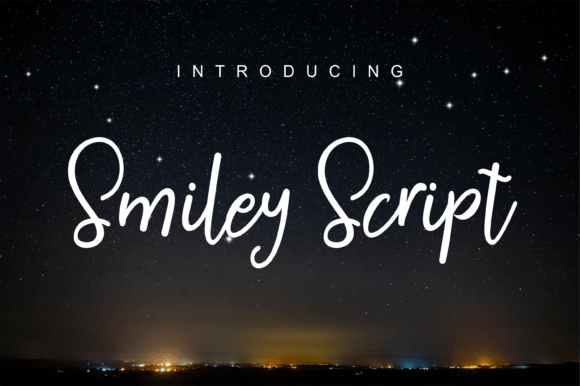
When you first encounter Smileyscript, it doesn’t feel like a font you just downloaded from a design asset library. It feels like a discovery—a handwritten note from a friend with impeccable, natural penmanship. This isn’t the rigid, overly polished script that feels artificial. Instead, Smileyscript is a premium font built on a foundation of warmth and authentic human touch. Its visual character is defined by smooth, rounded letterforms that flow with a balanced rhythm. Each stroke carries subtle, intentional variations that mimic the pressure and movement of a real pen, giving it an organic, approachable quality that many script fonts struggle to achieve.
The beauty of Smileyscript lies in its versatility of tone. It can be elegant without being stuffy, and casual without sacrificing legibility. This makes it a powerful tool in a designer's toolkit, especially when a project calls for a handwritten font that doesn’t compromise on professionalism. The letters connect in a way that feels natural, guiding the eye along a smooth path, which is essential for creating compelling headlines and logos. It’s a typeface that communicates care and personality from the very first glance.
Where Smileyscript Truly Shines: Practical Applications
Knowing a font looks good is one thing; understanding where it will perform best is the mark of a thoughtful creator. Smileyscript’s adaptable nature makes it a strong candidate across a surprising range of projects.
- Brand Identity & Logo Design: For businesses aiming to project friendliness, creativity, or artisanal quality, Smileyscript can be a game-changer. Think of a boutique coffee shop, a handmade jewelry line, or a lifestyle blog. Using this script font in a logo or as a primary wordmark immediately injects a layer of personal connection and approachability into the brand identity.
- Marketing & Social Media: In the fast-scrolling world of digital content, capturing attention is paramount. Smileyscript excels in social media graphics, email headers, and promotional banners where a human touch can increase engagement. Its clear legibility at smaller sizes means it works well for quotes, call-to-action overlays, and inspirational messaging that needs to feel personal and direct.
- Publishing & Editorial Design: While not a body text font, it’s a standout choice for editorial design elements. Consider chapter titles in a cookbook, pull quotes in a magazine feature, or the masthead of a niche publication. Paired with a clean serif font or a neutral sans serif font, it creates a beautiful visual hierarchy that draws readers into specific content.
- Packaging & Product Design: On product labels, especially for food, cosmetics, or craft goods, Smileyscript can convey the handcrafted story behind the brand. It’s a creative font choice that helps products stand out on a shelf by signaling authenticity and care in the packaging design.
- Personal & Craft Projects: From wedding invitations and greeting cards to custom planners and digital scrapbooking, this font provides a consistent, beautiful handwritten style without the hassle of actual handwriting. Its PUA-encoding means you can easily access all the swashes and alternates to customize your projects perfectly.
Choosing and Using Smileyscript Effectively: A Designer's Guide
Adopting any new typeface requires more than just liking its look. Here’s how to evaluate and implement Smileyscript for professional results.
Evaluating the Fit for Your Project
Before you commit, consider the core message of your project. Smileyscript communicates warmth, creativity, and approachability. If your goal is to project ultra-modern, corporate, or highly technical authority, a different display font or a structured sans-serif might be more appropriate. However, if your project benefits from a human, relatable, or artistic voice, it’s likely an excellent match. Test it by placing sample headlines or key phrases into your mockups to see how its personality interacts with your other design elements.
Mastering Font Pairings for Impact
The true power of a script font like Smileyscript is often unlocked through pairing. It creates beautiful contrast and hierarchy when used with simpler typefaces.
- With a Serif Font: Pairing Smileyscript with a classic, readable serif (like a Garamond or a modern transitional serif) creates a timeless, elegant look. The serif grounds the design, providing stability, while the script adds a touch of personality. This is ideal for invitations, editorial layouts, and upscale branding.
- With a Sans Serif Font: This is a fail-safe combination for modern web design and marketing materials. A clean, geometric sans-serif (like a Futura or a simple grotesk) lets Smileyscript’s organic shapes pop. Use the sans-serif for body text and the script for impactful headlines or logos. This pairing ensures excellent readability while maintaining a friendly vibe.
Practical Checks: Readability, Styles, and Licensing
Readability is non-negotiable. Always test Smileyscript at the intended size and on the intended background. Its clarity is good for its genre, but like all script fonts, it’s best used for short bursts of text—headlines, subheads, logos, and quotes—not for long paragraphs. Zoom in and check the letter connections, especially for words with tricky combinations (like "be" or "ol").
Explore the full family. As a premium font, Smileyscript likely includes more than just the basic uppercase and lowercase. Look for stylistic alternates, swashes, and ligatures. These extra glyphs are invaluable for customizing a logo or creating a unique monogram. Its PUA-encoding ensures you can access every single one of these design assets easily, even in software that has limited OpenType support.
Understand the license. For any commercial project—from a client’s logo to merchandise sold online—you must ensure you have the correct commercial font license. Review the terms to know if it covers your specific use case (e.g., desktop, web, app, or print). Using a font legally protects you and respects the work of the type designer.
In the landscape of modern typography, Smileyscript carves out a valuable niche. It’s a tool for adding genuine warmth and human connection to digital and print projects alike. By understanding its strengths and applying it thoughtfully, you can leverage this creative font to build more engaging, memorable, and professional designs that truly resonate with your audience.