Baby Baseball: A Handwritten Font with Modern Appeal
In a digital landscape saturated with sterile, geometric typefaces, there’s a growing demand for fonts that feel human, approachable, and full of personality. This is where a modern handwritten script like Baby Baseball finds its niche. It’s not just a collection of letters; it’s a design asset that injects immediate warmth and a casual, friendly vibe into any project. For designers, entrepreneurs, and crafters, understanding how to leverage such a creative font can be the key to making your work stand out and connect on a more personal level.
Visual Style and Personality
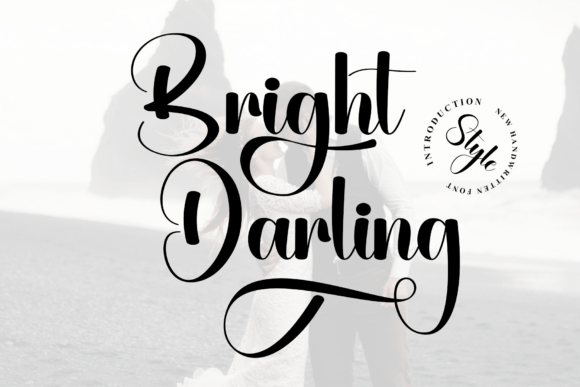
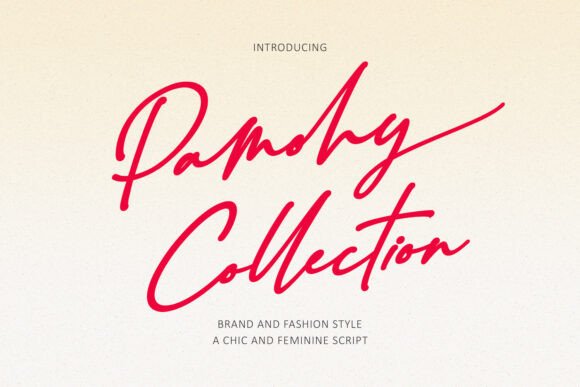
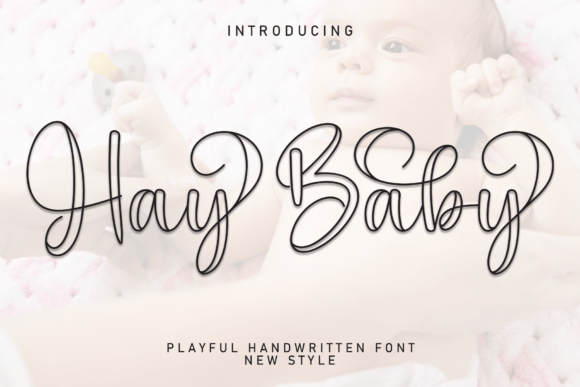
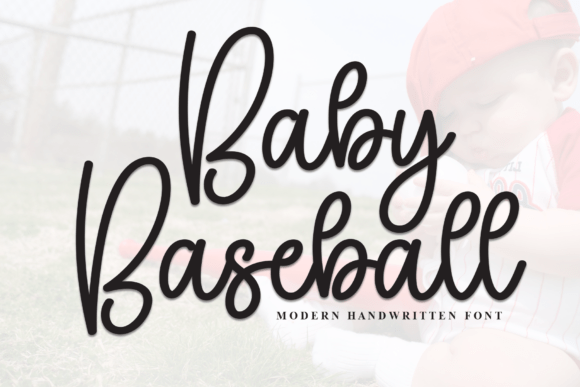
Baby Baseball is defined by its smooth curves and flowing strokes, creating a seamless, natural handwriting effect. It avoids the scratchy or overly distressed look of some script fonts, opting instead for a clean, legible, and polished aesthetic. The letterforms have a consistent rhythm, with just enough variation in baseline and slant to mimic authentic hand-lettering without sacrificing readability. This balance is crucial—it allows the font to feel personal and crafted, yet professional enough for commercial use. The overall personality is playful, optimistic, and versatile, making it a fantastic display font for projects targeting families, children, or anyone seeking a touch of handmade charm.
Practical Applications Across Projects
The true value of a typeface like Baby Baseball lies in its adaptability. It’s a versatile font that shines in numerous contexts. For entrepreneurs and small business owners in the children’s market, it’s a natural fit for baby apparel, nursery decor, and kids’ sports team branding. Its friendly demeanor makes it excellent for invitations, greeting cards, and sticker sheets, instantly setting a joyful tone.
Beyond products, consider its role in your digital presence. A handwritten font is powerful for social media graphics, helping your posts feel more personal and engaging amidst a sea of standard sans-serifs. It can add a distinctive flair to YouTube channel art or podcast cover art. For crafters using platforms like Cricut or Silhouette, Baby Baseball’s clean paths ensure crisp cuts for custom decals, apparel, and home decor. In brand identity work, it can serve as a secondary or accent typeface for logos, taglines, or headers, especially for brands in lifestyle, wellness, or creative industries that want to project approachability.
Pairing and Integration Strategies
To use Baby Baseball effectively, think about contrast and hierarchy. As a script font, it commands attention and is best used for headlines, logos, or short phrases rather than body text. For editorial design or web design, pair it with a clean, neutral sans serif font for paragraphs to ensure maximum readability. A simple serif font can also create an elegant, classic pairing. This practice of font pairing is essential for creating visual hierarchy—using Baby Baseball for impact and a more subdued typeface for information.
When evaluating if it’s the right fit, test it at the size you intend to use. Does its character hold up at a small scale on a business card? Does it maintain its charm when blown up for a poster? Review all the included glyphs. Being PUA-encoded means you have easy access to stylistic alternates and swashes, which can be used to add unique flourishes to specific letters in a logo or monogram, elevating the design further.
Considerations for Professional Use
While Baby Baseball is a premium font with broad appeal, professional application requires some thought. Always consider your audience and context. Its casual, playful nature might not align with a formal corporate report, but it could be perfect for a boutique’s internal branding or a creative agency’s social media. Ensure the license covers your intended use, whether for personal crafts or commercial products like merchandise or client work.
Ultimately, incorporating a font like Baby Baseball into your toolkit is about expanding your expressive range. It’s a tool for adding a specific emotional quality—one of warmth, approachability, and creativity. By using it strategically and pairing it thoughtfully, you can enhance brand recognition, create more engaging marketing materials, and bring a much-needed human touch to your designs. It proves that modern typography isn’t just about minimalism; it’s about finding the right voice for every message.